



































Aromatherapy and humidification have been used for centuries to support comfort, relaxation, and respiratory health.
While they’re often discussed together, especially in modern diffusers and humidifiers, their benefits stem from distinct physiological mechanisms. The staff at Nifty Cool Stuff – our online lifestyle store – recommends understanding the science behind each to help clarify how they work individually and why combining them can enhance well-being.
How Aromatherapy Works in the Body
Aromatherapy relies on volatile compounds found in essential oils extracted from plants. When these compounds are inhaled, they interact directly with the olfactory system, which is uniquely connected to the brain’s limbic system, the area responsible for emotion, memory, and certain autonomic functions.
Unlike other senses, smell bypasses the thalamus and sends signals straight to the olfactory bulb, which then communicates with the amygdala and hippocampus. This direct pathway explains why scents can quickly influence mood, stress levels, and emotional responses.

For example, linalool, a compound found in lavender, has been shown to reduce nervous system activity and promote relaxation, while menthol in peppermint stimulates cold receptors, creating a sensation of improved airflow.
Beyond neurological effects, some essential oil compounds may have mild antimicrobial, anti-inflammatory, or bronchodilatory properties. Eucalyptus oil, for instance, contains eucalyptol, which can help loosen mucus and improve breathing comfort when inhaled.
It’s important to note, however, that aromatherapy is considered complementary rather than curative, supporting wellness rather than replacing medical treatment.

Psychological and Physiological Effects
The psychological benefits of aromatherapy are closely tied to conditioned responses and emotional memory. A familiar or pleasant scent can trigger feelings of calm or alertness based on past associations. Scientifically, this can influence cortisol levels, heart rate, and perceived stress.
Physiologically, inhaled aromatic compounds can affect breathing patterns. Relaxing scents may slow respiration, encouraging deeper breaths, while stimulating scents can increase alertness and focus. This interaction between scent, breath, and nervous system regulation is why aromatherapy is often used in stress management, sleep routines, and mindfulness practices.

The Role of Humidification in Health
Humidification addresses a different but equally important aspect of indoor air quality: moisture content.
Indoor environments, especially those with heating or air conditioning, often have humidity levels below the recommended range of 30%-50%. Low humidity can dry out the skin, eyes, nasal passages, and throat, weakening the body’s natural barriers against irritants and pathogens.

Adequate humidity helps maintain the mucous membranes that line the respiratory tract. These membranes trap dust, allergens, and microorganisms, preventing them from reaching deeper into the lungs. When air is too dry, mucus becomes thicker and less effective, increasing irritation and susceptibility to respiratory discomfort.
Humidified air can also reduce symptoms associated with colds, sinus congestion, and dry coughs by keeping airways moist and improving mucus clearance. Additionally, balanced humidity supports skin hydration and may reduce static electricity and airborne dust.

Synergy Between Aromatherapy and Humidification
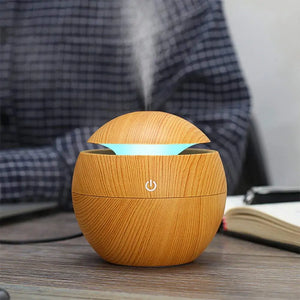
When aromatherapy is combined with humidification – such as through a diffuser or humidifier designed for essential oils – the benefits can complement each other.
Humid air helps carry aromatic compounds more evenly through a space, making scents easier to inhale without becoming overpowering. Moist air also reduces irritation, allowing the respiratory system to better tolerate and process aromatic compounds.
This combination is particularly beneficial in dry climates or during winter months when indoor heating lowers humidity. The result is an environment that supports easier breathing, improved comfort, and enhanced sensory experience.

Safety and Evidence-Based Use
While aromatherapy and humidification offer real benefits, responsible use is essential.
Essential oils are highly concentrated and should always be used according to manufacturer guidelines. Overuse or improper application can cause irritation, headaches, or respiratory discomfort, especially for children, pets, and individuals with asthma or sensitivities.
Humidifiers should be cleaned regularly to prevent the growth of mold or bacteria, which can negate health benefits and worsen air quality. Maintaining humidity within the recommended range is also crucial, as excessive moisture can encourage mold growth.

Conclusion
The science behind aromatherapy and humidification highlights how sensory perception, respiratory physiology, and environmental factors interact to support comfort and well-being.
Aromatherapy works primarily through the olfactory-limbic pathway, influencing mood and breathing, while humidification improves air quality by maintaining optimal moisture levels. Together, they create a supportive indoor environment that promotes relaxation, respiratory comfort, and overall quality of life when used thoughtfully and safely.

Nifty Cool Stuff has a section dedicated to Tranquility, which is where you can find a number of quality items that can assist you in benefiting from aromatherapy as well as humidification. Feel free to give us a click and discover how they can do their part to make your life better and more enjoyable.


