










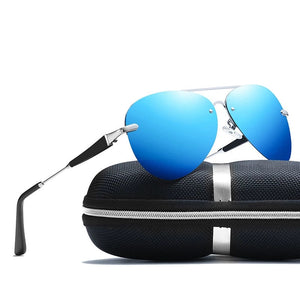












Sunglasses are often seen as a fashion accessory, but their most important role is protecting eye health.
Prolonged exposure to sunlight can cause both short-term discomfort and long-term damage to the eyes, making proper lens protection essential.
The staff at Nifty Cool Stuff – our online lifestyle store – believes that understanding the difference between UV400 protection and polarized lenses along with the additional benefits of wearing sunglasses can help consumers make smarter, healthier choices.
Why Eye Protection Matters
Ultraviolet (UV) radiation from the sun is invisible but harmful.

Over time, excessive UV exposure can contribute to serious eye conditions such as cataracts, macular degeneration, photokeratitis (sunburn of the eye), and growths like pterygium. Unlike skin, eyes often show damage later in life, which makes preventative protection especially important.
Quality sunglasses are designed to reduce this risk by blocking or filtering harmful light before it reaches the eyes.

What Is UV400 Protection?
UV400 refers to a lens’s ability to block ultraviolet light with wavelengths up to 400 nanometers. This range includes UVA and UVB rays, both of which are harmful to eye tissue.
A pair of sunglasses labeled UV400 blocks 100% of UVA and UVB radiation, offering complete UV protection. This is the most important feature to look for when choosing sunglasses, regardless of lens color or darkness.

A common misconception is that darker lenses provide better UV protection. In reality, lens darkness has nothing to do with UV blocking.
In fact, dark lenses without UV protection can be more dangerous because they cause pupils to dilate, allowing more harmful UV rays to enter the eye.

Key benefits of UV400 lenses:
- Protect against long-term eye damage
- Reduce risk of cataracts and macular degeneration
- Prevent short-term eye strain and sunburn
- Essential for everyday outdoor use

What Are Polarized Lenses?
Polarized lenses serve a different purpose. Instead of blocking UV radiation, polarization reduces glare caused by light reflecting off flat surfaces like water, snow, glass, or pavement.
Glare occurs when reflected light becomes horizontally oriented and intense. Polarized lenses contain a special filter that blocks this horizontal light, dramatically reducing brightness and visual discomfort.
While polarization does not replace UV protection, most high-quality polarized sunglasses also include UV400 protection, meaning the lenses handle both UV safety and glare reduction.

Key benefits of polarized lenses:
- Reduce eye strain in bright conditions
- Improve visual clarity and contrast
- Minimize reflections from water and roads
- Enhance comfort during prolonged outdoor activities

UV400 vs. Polarized: What’s the Difference?
The key distinction is simple:
- UV400 protection shields your eyes from invisible ultraviolet radiation that can cause damage over time.
- Polarized lenses reduce visible glare, improving comfort and clarity.
They are not mutually exclusive. UV400 protection is essential for eye health, while polarization is an added performance feature. Ideally, sunglasses should offer both.
In short:
- UV400 = protection
- Polarization = performance

Additional Benefits of Wearing Sunglasses
Beyond UV and glare protection, sunglasses provide several other benefits that contribute to overall eye comfort and health.
-
Reduced Eye Strain and Fatigue
Bright sunlight forces the eyes to squint and work harder, leading to headaches and fatigue. Sunglasses reduce light intensity, making vision more relaxed and comfortable. -
Improved Visual Performance
By controlling brightness and glare, sunglasses enhance contrast and depth perception, especially useful for driving, sports, and outdoor work.

-
Protection from Environmental Elements
Sunglasses act as a physical barrier against wind, dust, debris, and insects, which can irritate or injure the eyes. -
Wrinkle Prevention and Skin Protection
Wearing sunglasses reduces squinting, which can help prevent fine lines around the eyes. Large frames can also protect the delicate skin around the eyes from UV exposure. -
Safer Driving
Reduced glare improves reaction time and visibility on the road, particularly during early morning or late afternoon sun.

Choosing the Right Sunglasses
When selecting sunglasses, always prioritize UV400 protection. Polarization should be chosen based on lifestyle needs, especially for activities like driving, fishing, boating, hiking, or skiing.
Lens color, mirror coatings, and frame style are secondary to protection and comfort. No matter how stylish the sunglasses are, they must provide real eye safety to be effective.

Conclusion
Sunglasses are more than a fashion statement, they’re a vital tool for protecting eye health. UV400 lenses shield eyes from harmful ultraviolet radiation, while polarized lenses enhance visual clarity by reducing glare.

Together, they offer comprehensive protection, comfort, and performance.
Nifty Cool Stuff features a wide selection of shades featuring UV400 and polarized protection, and we invite you to give us a click, because choosing the right sunglasses today can help preserve vision, reduce eye strain, and support long-term eye health for years to come.


