

































Aging well isn’t about chasing extreme workouts or punishing routines. It’s about preserving strength, mobility, balance and resilience so your body can carry you confidently through decades of living.
After years of reporting on fitness science, one message rises above the noise: a small handful of foundational movements deliver outsized benefits for long-term health.
The staff at Nifty Cool Stuff – our online lifestyle store – note that health experts consistently point to five essential exercises as cornerstones for healthy aging as cornerstones of healthy aging.
These moves build strength, stabilize joints, preserve muscle mass, improve balance and reduce the risk of chronic disease. Thread them through your week and you build not just a longer lifespan, but a longer health span.
Push-Ups: Total-Body Stability and Strength
Push-ups are often thought of as an upper-body exercise, but they are far more comprehensive. A properly performed push-up strengthens the chest, shoulders and arms while activating the back, core and glutes. That full-body tension trains stability, which becomes increasingly important as we age.

Strong upper-body muscles make everyday tasks – pushing doors, getting up from the floor, carrying groceries – easier and safer. Research also shows that muscular endurance is associated with lower cardiovascular risk.
If a standard push-up feels daunting, start with a wall push-up. Stand arm’s length from a wall, place hands under shoulders, engage your core and lower your chest toward the wall with control. As strength improves, progress to incline push-ups on a sturdy surface, then to the floor.

Squats: The Foundation of Independence
Few movements are more functional than the squat. Every time you rise from a chair, climb stairs or lift something from the ground, you squat. Strong quadriceps, glutes and lower back muscles support knee stability and reduce fall risk.
Squats also stimulate large muscle groups, which improves insulin sensitivity and helps reduce the risk of Type 2 diabetes.

Because muscle mass naturally declines with age – a process known as sarcopenia – regularly loading the lower body becomes critical.
Begin with a chair squat if needed. Stand in front of a chair, feet shoulder-width apart and slightly turned out. Lower your hips back as if sitting, keeping your chest upright and knees tracking over your toes. Lightly tap the chair, then rise by pushing through your heels.
Resistance exercises are also crucial in maintaining and increasing muscle mass, which directly combats the muscle wasting seen in sarcopenia. Studies have shown that adults can gain about 1-2% muscle mass per month through consistent resistance training.

Dead Lifts: Building a Resilient Back
Despite the intimidating name, the dead lift is one of the most practical exercises for daily life. It trains the hip hinge, which is the pattern you use to pick up a box, a suitcase or a grandchild. When performed with proper form, dead lifts strengthen the hamstrings, glutes, lower back, core and grip.
Contrary to common fear, research shows that appropriate resistance training strengthens spinal support muscles and may reduce back pain risk. The key is technique: hinge at the hips, keep the back flat and hold the weight close to the body.

Beginners can start with two light dumbbells or even a household object. Mastering the movement pattern matters more than the load.
Pull-Ups: Grip Strength and Longevity
Pull-ups are challenging, and that’s part of their value. They strengthen the upper back, shoulders, arms and core while significantly improving grip strength.
Grip strength has emerged as a powerful biomarker of healthy aging, associated with lower risks of disability, cognitive decline and early death.

If you can’t yet perform a pull-up, begin with a dead hang.
Simply grip a bar and hang with arms straight, shoulders engaged. This builds grip endurance and shoulder stability. Assisted pull-ups using bands or machines are also excellent progressions.
Even incremental improvements in pulling strength translate to better posture and reduced shoulder pain over time.

Calf Raises: Often Overlooked, Critically Important
Calf muscles are among the first to weaken with age, yet they are vital for walking speed, balance and ankle stability. Strong calves support efficient gait mechanics and reduce fall risk, a leading cause of injury in older adults.
To perform a calf raise, stand on a step with heels hanging off the edge. Lower your heels under control, then rise onto your tiptoes. Keep knees slightly bent and move slowly through the full range of motion. This simple movement enhances both strength and flexibility.

Beyond the Big Five: What Experts Also Recommend
While these five exercises form a powerful foundation, well-rounded aging also includes other key components:
-
Brisk Walking or Aerobic Activity
Regular moderate-intensity cardio – such as brisk walking, cycling or swimming – supports heart health, brain function and metabolic resilience. Aim for at least 150 minutes per week. -
Balance Training
Simple drills like standing on one leg or practicing heel-to-toe walking strengthen stabilizing muscles and reduce fall risk. Yoga and tai chi are particularly effective for improving proprioception and coordination.

-
Mobility and Flexibility Work
Gentle stretching and mobility exercises maintain joint range of motion. Focus on hips, shoulders and thoracic spine to preserve fluid movement patterns. -
Core Stability
Planks and bird-dog exercises enhance spinal stability and reduce injury risk, especially when paired with compound lifts like squats and dead lifts.

Consistency Over Intensity
The beauty of these movements is their accessibility. You don’t need a gym membership or a long workout window.
One push-up in the morning. A squat during a work break. A set of calf raises while brushing your teeth. Small deposits of effort accumulate into powerful returns.
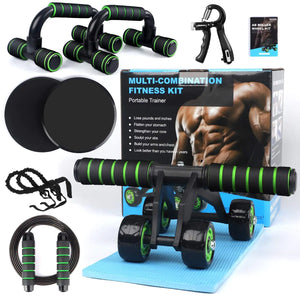
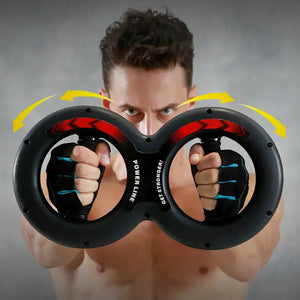
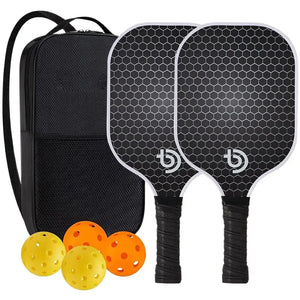
Nifty Cool Stuff carries quality fitness equipment that are designed to help you get the most out of your training routine. Feel free to check out our Equipment section to see what can work for you.

Remember: If you have joint pain or underlying conditions, consult a physician or physical therapist before beginning a new routine. Start with manageable variations and progress gradually.
Healthy aging isn’t reserved for elite athletes. It belongs to anyone willing to move with intention. Whether you’re 35 or 80, building strength today protects the freedom of tomorrow.


