

































Many people set ambitious wellness goals each year. They want to exercise more regularly, sleep better, stay hydrated, reduce stress, eat healthier meals, and create more balanced daily routines.
Yet even with strong motivation, those goals often fade after a few weeks because enthusiasm alone is rarely enough to create lasting change.
One increasingly popular strategy for improving consistency is known as habit-stacking. The idea is simple: connect a new habit to an existing daily routine so the old behavior acts as a reminder for the new one. Instead of relying on memory or motivation, the habit becomes tied to something already automatic.
The staff at Nifty Cool Stuff – our online lifestyle store – believes this approach works particularly well because most people already have structured routines built into their day.
Morning coffee, brushing teeth, sitting down at a desk, preparing dinner, or winding down before bed all happen almost automatically. By attaching a small new action to one of those established behaviors, it becomes easier to stay consistent.

The Power of Small Changes
For example, instead of vaguely planning to “exercise more,” someone might decide to stretch for five minutes after getting out of the shower each morning. Instead of simply intending to “relax more,” they may practice a short breathing exercise after turning on their computer for work.
The key is specificity and simplicity.
One reason habit-stacking can be effective is that it removes much of the mental friction that often prevents healthy routines from taking hold.

Large goals can feel overwhelming, especially when they require major lifestyle adjustments. Smaller actions, however, feel manageable and achievable. Over time, those small actions can build momentum.
This gradual approach also creates opportunities to integrate useful lifestyle categories into daily routines without making dramatic changes all at once.
Home fitness accessories, yoga and meditation supplies, hydration tools, sleep-enhancement items, wellness organizers, ergonomic desk accessories, and outdoor recreation gear can all support habit-building efforts when paired with existing routines.

Creating an Environment for Success
Someone attempting to improve flexibility, for instance, may keep stretching or recovery accessories near their bathroom so they naturally remember to use them after showering.
A person focusing on mindfulness might create a calming nighttime environment with lighting, aromatherapy, or relaxation-focused décor placed beside their reading chair or bedside table. The environment itself becomes part of the reminder system.
Behavioral research consistently shows that cues play an important role in habit formation. People are more likely to repeat an action when they associate it with a reliable trigger. Existing routines provide built-in reminders that reduce the chances of forgetting.

Consistency is equally important. Repeating a behavior frequently helps the brain automate the action over time. Eventually, the new behavior begins to feel natural rather than forced. This is why smaller habits often succeed where dramatic lifestyle overhauls fail. Repetition matters more than intensity in the early stages of behavior change.
Lifestyle Categories That Support Better Habits
The concept also aligns naturally with many practical product categories designed to simplify everyday life.
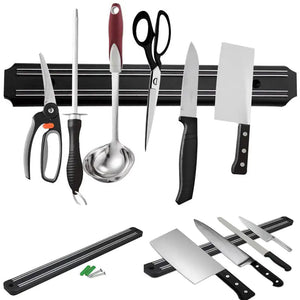
Kitchen organization tools can support healthier meal preparation routines. Travel accessories may encourage walking, outdoor exploration, or active commuting.
Workspace improvements can promote posture awareness, movement breaks, and stress reduction during the workday. Tech accessories can help establish boundaries around screen time and sleep habits.

The most effective habit-stacking routines usually begin with very small goals. Drinking a glass of water after starting the coffee maker may seem insignificant, but easy wins build confidence. Completing a quick meditation before checking messages may only take a few minutes, yet repeating it daily strengthens the routine.
Trying to do too much too quickly often leads to frustration. Many people attempt major transformations immediately, such as exercising intensely every day or completely restructuring their schedules overnight. Smaller changes are generally easier to sustain because they fit naturally into existing lifestyles.

Organization Makes Habits Easier
Habit-stacking also benefits from clear physical organization.
Keeping wellness-related items visible and accessible increases the likelihood they will actually be used. Fitness equipment stored in a closet may be forgotten, while simple exercise accessories placed near a regular morning pathway serve as visual reminders. Similarly, journals, planners, sleep aids, and hydration containers are more effective when incorporated directly into existing routines.
Another advantage of this strategy is flexibility. Habit-stacking can be adapted to nearly any goal. Someone focusing on productivity may pair daily planning with their morning beverage routine. A person hoping to improve sleep quality could establish a technology-free reading habit after their evening skincare routine.

Others may connect outdoor walks with household cleanup tasks or use cooking preparation as a cue for mindful eating practices.
Building Long-Term Momentum
Over time, these small stacked habits can expand into broader routines that feel automatic rather than forced. Once one behavior becomes comfortable and consistent, another small action can be added on top of it.
This gradual layering creates sustainable progress without the exhaustion that often accompanies overly ambitious plans.

The process does not happen instantly. There is no universal timeline for forming a new habit because every behavior differs in complexity and frequency.
What matters most is repetition, simplicity, and realistic expectations. Missing a day occasionally is far less important than maintaining the routine over the long term.
The staff at Nifty Cool Stuff suggests that ultimately, successful habit-building is less about discipline and more about structure. By pairing small, achievable actions with routines that already exist, people can create systems that support healthier lifestyles naturally.

With the right environment, consistent cues, and thoughtfully chosen lifestyle categories that complement daily routines, long-term wellness goals can become much easier to maintain one small step at a time.


