































Modern wellness routines often focus on diet, exercise, sleep, and stress management, but light exposure is increasingly recognized as another major factor in maintaining long-term health.
Light therapy, once associated mainly with seasonal mood changes, is now being explored for its broader role in supporting energy levels, sleep quality, recovery, skin health, and overall physical balance.
As more people spend their days indoors under artificial lighting, interest in controlled therapeutic light exposure has grown substantially.
Light therapy involves exposure to specific wavelengths of light for targeted health purposes. Depending on the type used, it may help regulate circadian rhythms, encourage cellular repair, support mental focus, or improve skin appearance.
While it’s not a replacement for healthy habits, the staff at Nifty Cool Stuff – our online lifestyle store -- believes it can complement a broader wellness strategy aimed at maintaining physical and mental performance over time.

Understanding How Light Affects the Body
Human biology evolved under natural sunlight cycles. Bright morning light signals the brain to become alert and active, while darkness later in the evening encourages the production of melatonin, the hormone associated with sleep.
Artificial indoor environments often disrupt this natural pattern. Many people wake in dim rooms, work under fluorescent lighting, and spend evenings in front of bright screens. Over time, this imbalance may contribute to fatigue, poor sleep quality, and reduced overall wellness.
Light therapy seeks to restore part of that missing balance by delivering concentrated exposure to beneficial wavelengths.

Different forms of light therapy are designed for different outcomes. Bright white light is commonly used to support mood and energy regulation, while red and near-infrared light are often associated with recovery and cellular support.
The body responds to light through both the eyes and the skin. Exposure can influence hormone production, sleep cycles, and cellular activity.
Because these systems affect many aspects of long-term health, consistent light management may play an important role in maintaining physical well-being.

Supporting Healthy Sleep Patterns
One of the most widely recognized benefits of light therapy is its effect on sleep regulation. Healthy sleep is foundational to body maintenance because it influences immune function, metabolism, cognitive performance, and recovery.
Morning exposure to bright light helps reinforce the body’s internal clock. This may make it easier to fall asleep naturally at night and wake feeling more refreshed. People who spend long hours indoors or live in regions with limited winter daylight often struggle with circadian disruption, particularly during darker months.
Consistent light therapy sessions in the morning may help stabilize sleep patterns over the long term.

Better sleep quality can indirectly support healthier eating habits, exercise recovery, mood stability, and mental focus. Since sleep disturbances often become chronic over time, maintaining a healthy light environment may offer cumulative benefits that extend well beyond short-term improvements.
Energy, Mood, and Daily Performance
Light exposure strongly influences alertness and mental energy. Many people experience afternoon sluggishness, difficulty concentrating, or reduced motivation after long periods indoors.
Bright therapeutic light may help increase wakefulness and support more stable daytime energy levels.

Long-term wellness depends partly on maintaining consistency in healthy behaviors. People are more likely to exercise, prepare nutritious meals, and stay productive when they feel mentally alert and physically energized.
Light therapy may support these routines by helping reduce feelings of fatigue and supporting a more stable daily rhythm.
Mood regulation is another important factor. Chronic stress and low energy can gradually affect overall health and quality of life. By promoting healthier circadian patterns and improving environmental light exposure, light therapy may help create conditions that support emotional balance and resilience over time.

Recovery and Cellular Support
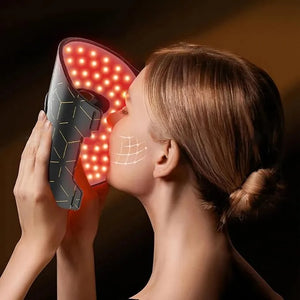
Red and near-infrared light therapy have gained attention for their potential role in supporting recovery and cellular maintenance.
These wavelengths are believed to penetrate beneath the skin’s surface and interact with mitochondria, the structures responsible for cellular energy production.
While research continues to evolve, many users incorporate red light therapy into routines aimed at supporting exercise recovery, reducing temporary muscle soreness, and maintaining skin vitality. Athletes and fitness enthusiasts often use these therapies alongside stretching, hydration, and balanced nutrition as part of broader recovery programs.

Long-term body maintenance involves managing wear and tear on muscles, joints, and skin. Consistent recovery practices may help individuals stay active and comfortable as they age. Light therapy is increasingly viewed as one possible tool within that larger preventive wellness approach.
Skin Health and Appearance
The skin is the body’s largest organ and often reflects overall health status. Certain forms of light therapy are commonly used to support skin appearance by encouraging collagen production and helping maintain a more even complexion.

Unlike invasive cosmetic procedures, light-based wellness treatments are generally noninvasive and easy to integrate into regular self-care routines. Some people use them to support healthy-looking skin as part of long-term maintenance rather than pursuing dramatic short-term changes.
Maintaining skin health over time also relates to lifestyle factors such as hydration, nutrition, sleep, and stress reduction. Light therapy may complement these habits by supporting the skin’s natural repair processes.
Building Sustainable Wellness Habits
One reason light therapy has gained popularity is its simplicity.

Sessions are typically brief and can often be incorporated into existing routines without major disruption. A morning light session during breakfast or a short recovery session after exercise may fit naturally into daily life.
Long-term health maintenance is usually more successful when habits are sustainable rather than extreme. Small, consistent practices often produce more lasting results than short-lived wellness trends. Light therapy aligns with this philosophy because it can become a regular supportive habit instead of a temporary intervention, which is why Nifty Cool Stuff has a dedicated Light Therapy section that carries a vast array of quality items that can be to your benefit.

As research into light exposure and human biology continues to expand, interest in therapeutic lighting will likely continue growing. Although it is not a cure-all, light therapy may serve as a useful component of a balanced lifestyle focused on sleep quality, energy management, recovery, and overall well-being.


