


























Red light therapy has become an increasingly popular approach to supporting skin health, recovery, relaxation, and overall wellness.
Unlike treatments that rely on heat, chemicals, or invasive procedures, red light therapy uses specific wavelengths of light to interact with cells in the body.
While results can vary from person to person, the staff at Nifty Cool Stuff – our online lifestyle store – advises that understanding what the treatment does and what to expect can make it easier to decide whether it belongs in a regular wellness routine.
What Is Red Light Therapy?
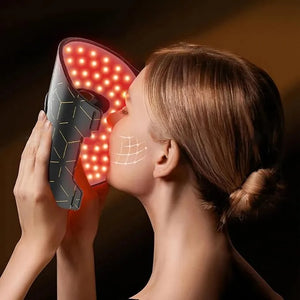
Red light therapy, also known as photobiomodulation, uses low levels of red or near-infrared light. The light is delivered through specialized lamps, panels, masks, or other devices designed to expose the skin to particular wavelengths.

The treatment does not work like ultraviolet light from the sun. Red and near-infrared wavelengths do not produce the same type of skin damage associated with excessive ultraviolet exposure. Instead, the light can penetrate the skin and interact with cellular structures.
One of the primary targets is the mitochondria, which are responsible for producing energy inside cells. Red and near-infrared light may influence mitochondrial activity and help cells produce energy more efficiently.
This process is one reason researchers are interested in photobiomodulation for a variety of applications.

What Happens During a Session?
A red light therapy session is generally simple. Depending on the device, a person may sit or stand in front of a light panel, use a smaller device on a particular area, or wear a light-based mask.
Most people do not experience significant discomfort. The treated area may feel mildly warm, although red light therapy is not intended to function as a high-heat treatment. Sessions can range from several minutes to around 20 minutes or more, depending on the device and its instructions.
Consistency is usually more important than having a single long session. People interested in trying red light therapy should follow the manufacturer's recommended exposure time and distance rather than assuming that more light will automatically produce better results.

What Results Can You Expect?
Expectations should be realistic. Red light therapy is not an instant transformation, and visible improvements generally develop gradually.
For skin-related uses, some people may notice that their skin appears more refreshed or even over time. Regular use has been studied for its potential role in supporting collagen production and improving the appearance of fine lines and other signs of aging.
Red light therapy is also commonly used as part of recovery and wellness routines. Research suggests that photobiomodulation may influence inflammation, circulation, and cellular repair processes. These effects have generated interest in using red and near-infrared light following exercise or for general muscle and tissue recovery.

The timing of results depends on the individual, the goal, the device, and the consistency of use. A person looking for cosmetic benefits may evaluate progress differently from someone using light therapy as part of an exercise recovery routine.
Why Does Red Light Therapy Work?
The biological effects of red light therapy are associated with the way certain wavelengths interact with cells. When light reaches cellular structures, it may affect mitochondrial activity and cellular signaling.
Greater cellular energy availability can support processes involved in maintenance and repair. Red light exposure may also influence signaling pathways associated with inflammation, blood flow, oxidative stress, and tissue regeneration.

The exact mechanisms are still being studied, and different wavelengths, intensities, treatment durations, and body areas can produce different effects. This is important because red light therapy is not a single standardized treatment. The specifications of the device can make a meaningful difference.
How Often Should It Be Used?
There is no universal schedule that works for everyone. Many consumer devices are designed for regular use several times per week, while some recommend daily sessions.
Following the instructions for a particular device is important because treatment effectiveness depends partly on factors such as wavelength, light intensity, exposure time, and distance from the light source.

Using a device consistently according to its instructions is generally more sensible than dramatically increasing exposure in hopes of accelerating results.
Making Red Light Therapy Part of a Routine
Red light therapy can be relatively easy to incorporate into an existing wellness routine. A short session can fit into a morning or evening schedule, while larger panels may provide exposure to multiple areas at once.
People should also remember that red light therapy works best as one component of a broader approach to health and wellness. Adequate sleep, physical activity, nutritious food, hydration, and appropriate skincare can all contribute to the goals people commonly associate with light therapy.

A Gradual Approach Can Pay Off
Red light therapy is best viewed as a gradual wellness strategy rather than a quick fix. Its appeal comes from its noninvasive nature and the growing scientific interest in how specific wavelengths of light interact with human cells.
With realistic expectations and consistent use, red light therapy may become a useful addition to routines focused on skin appearance, recovery, and general wellness. As research continues, a clearer understanding of which wavelengths and treatment protocols provide the greatest benefits should make this technology even more useful for everyday applications.

Ready to take your wellness routine to the next level?
Nifty Cool Stuff brings together Light Therapy products designed to make healthy lifestyle improvements easier, more convenient, and more enjoyable. Feel free to give us a click and discover something that could be the perfect addition to your daily routine.


